
High mix low volume manufacturing creates a unique challenge for OEM machinery production: every build may be complex, but few builds are exactly the same.
Unlike high-volume production, where stable designs and repeated processes can be refined over long runs, HMLV manufacturing often involves smaller batches, custom configurations, frequent engineering changes, and more variation from one build to the next. For complex machinery, equipment, and integrated systems, that variation can make bill of materials (BOM) control and part flow difficult to manage.
A missing component, outdated revision, incorrect quantity, or delayed purchased item can stop a build, create rework, or push delivery dates. That is why BOM accuracy, revision control, material readiness, kitting, and traceability are critical in high-mix, low-volume machinery production.
Why HMLV Machinery Production Is Hard to Control
High mix low volume manufacturing combines two sources of complexity: product variety and limited production volume. OEMs may need to build multiple configurations, each with different parts, options, drawings, customer requirements, or revision levels.
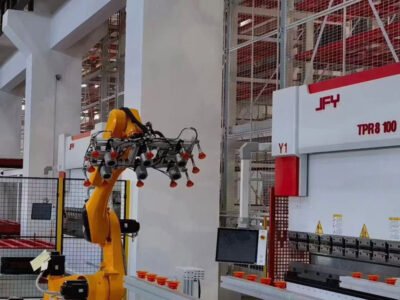
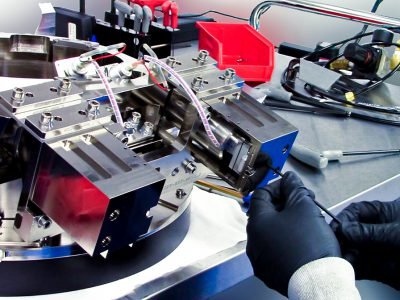
In machinery production, that complexity often extends across fabricated structures, machined components, sheet metal parts, purchased items, wiring, controls, sensors, motors, fasteners, tubing, packaging, and test-related materials. Many of those items may have different lead times, suppliers, inspection requirements, and documentation needs.
The result is a production environment where small errors can have large effects. If one part is missing, built to the wrong revision, staged late, or assigned to the wrong configuration, the issue may not surface until assembly, integration, inspection, or final testing. At that point, the cost of correction is usually higher.